A turnover guide for Aurora landlords
Get the last tenant's smell out of your Aurora rental before the next lease
Smoke in the blinds, a dry floor drain, a fridge left closed and unplugged. Odor is the turnover problem a fresh coat of paint won't fix. This guide shows where it hides, what to pull versus treat, and where the work fits between move-out and the first showing.
Draft preview: no business is verified on this site yet, and no calls or requests are taken.
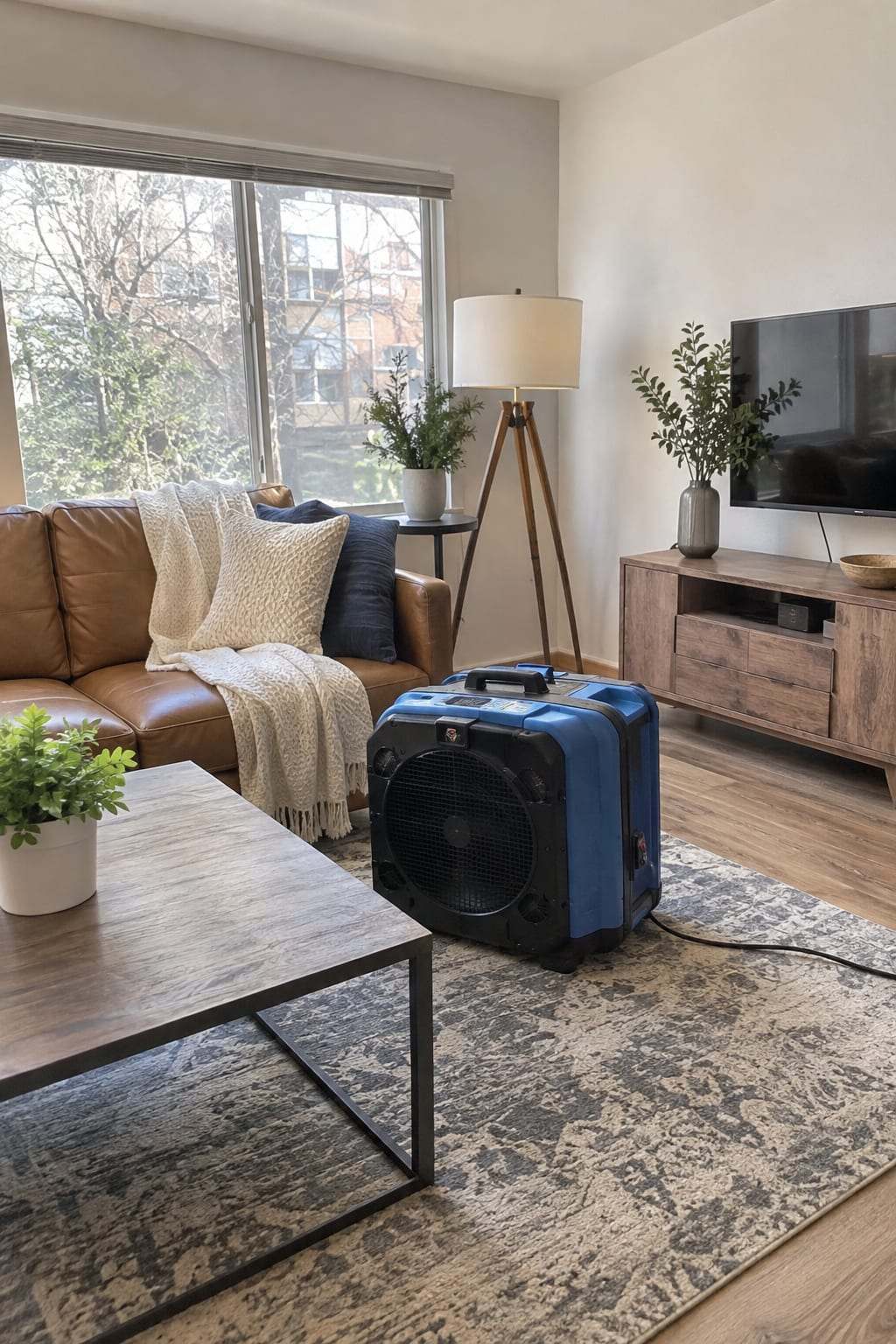
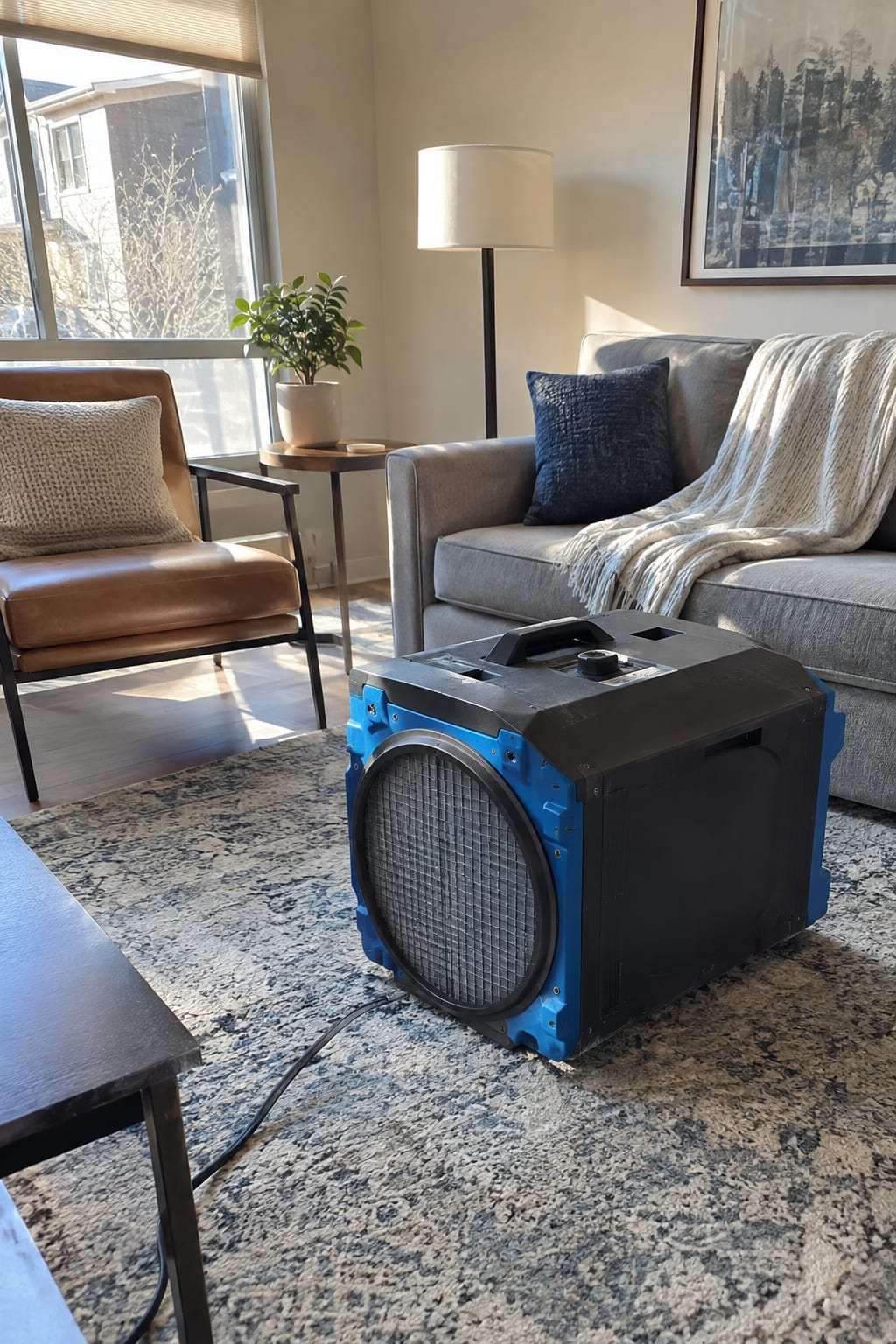
The smell shows up at the first showing
A tenant who smoked, cooked heavy or kept the blinds shut for years moves out on the 30th. The next lease starts on the 15th. Shampoo and paint go on schedule, and the unit still smells on the first walkthrough, because the odor never lived in the paint. It lives in carpet pad, subfloor, cabinet boxes, blinds and duct runs.
Run it as a scoped job inside the turnover. Find each source, decide what gets pulled and what gets treated, and finish before the painters arrive, with airing-out time already on the calendar.
Before anyone treats a unit, get the scope and the quote in writing, whoever you hire.
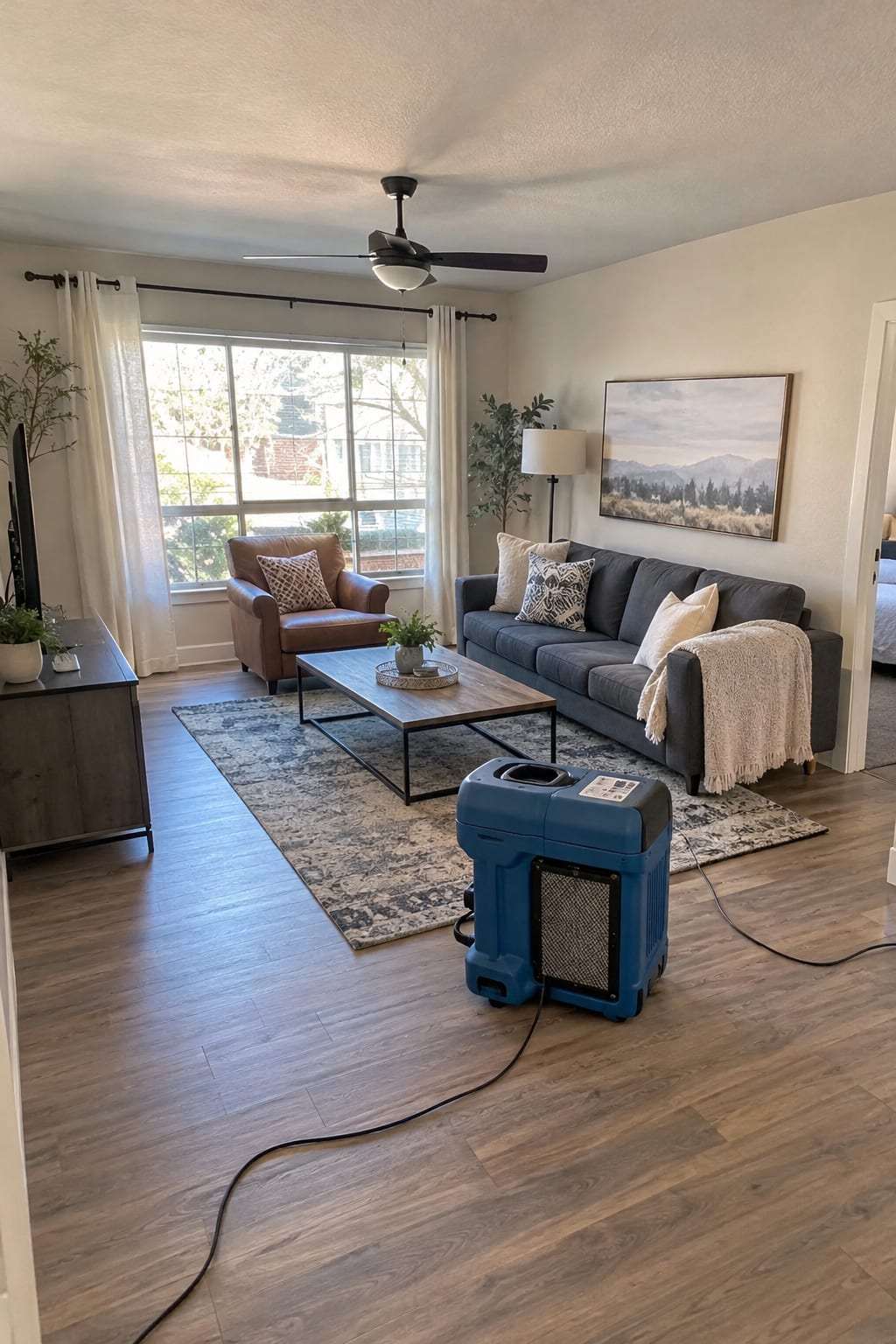
Shared laundry rooms and utility closets hold odor between leases.
Put odor work in the right slot
Odor treatment is one step in a turnover, and the order matters. Treat before repairs or cleaning, or paint before treatment, and you lose days the next lease won't give back.
-
Move-out walk
Walk each room, name the smell and its likely source, and photograph it all with dates. Book the assessment the same day.
-
Pull
Bag the trash and anything left behind. Pull what is soaked through, like pad, blinds or filters, when replacing costs less than treating.
-
Repair
Stop active sources first: a leak, a dry drain trap, damaged flooring.
-
Clean
Run the standard turnover clean, so treatment reaches residue instead of dirt.
-
Treat
Treat surfaces and the air system at the source. Get vacancy and re-entry times in writing first.
-
Paint
Paint after treatment, with an odor-sealing primer on smoke-stained walls.
-
Recheck
Walk the unit with the HVAC running and the windows shut before you list it.
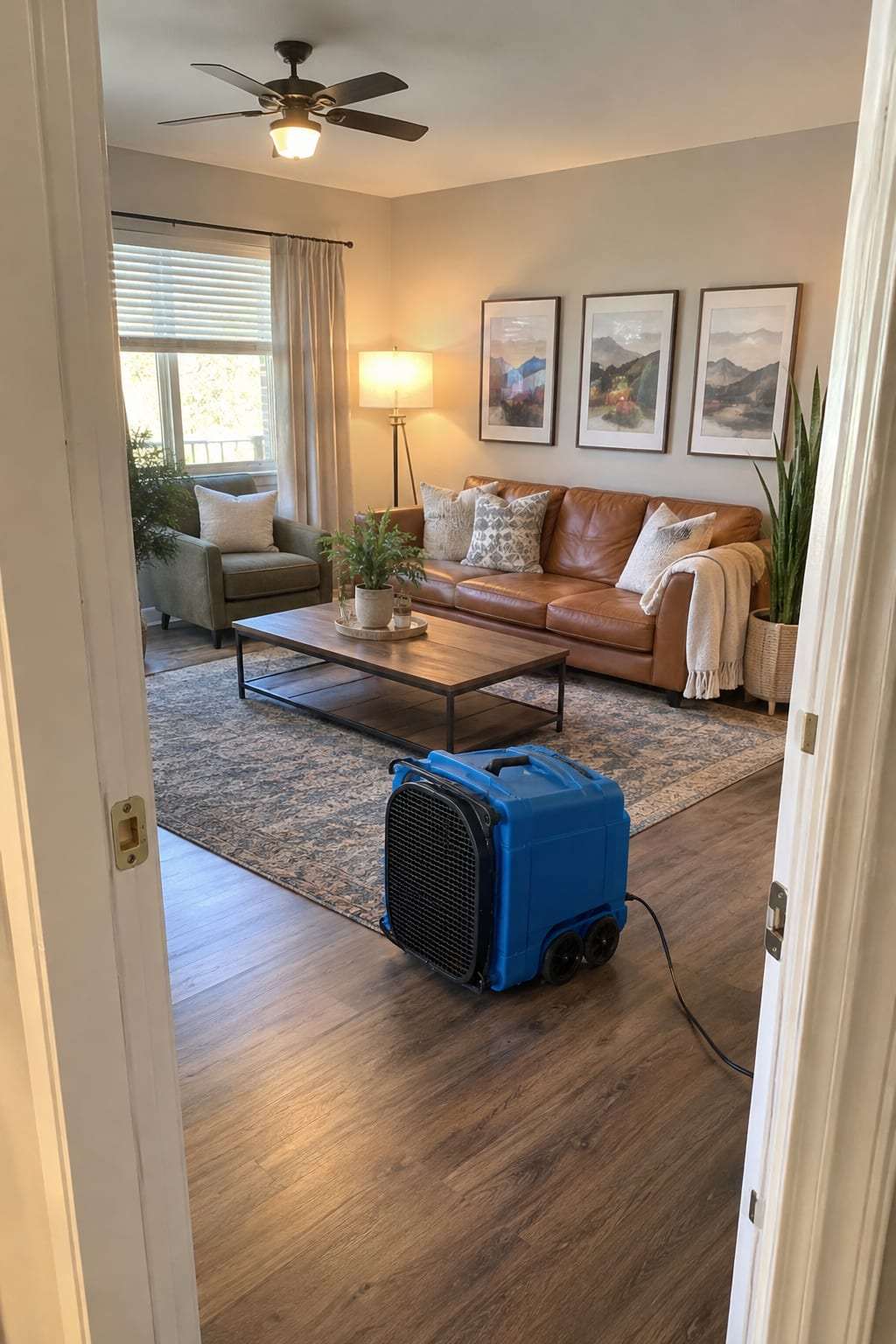
Entries and hallways are where a prospect notices the smell first.
Where turnover odor comes from
Most move-out smells trace back to one of these, and each one needs a different fix.
- Cigarette and cannabis residue on walls, ceilings, blinds and inside the ductwork.
- Damp crawl spaces and basements under garden-level and ground-floor units.
- Grease and cooking odor soaked into cabinet boxes and range hoods.
- Stale, musty air in a unit that sat closed up through a long vacancy.
- Trash, spoiled food or a dead refrigerator the last tenant left behind.
How a turnover treatment runs
Each unit gets assessed on its own, and the schedule is built backward from your move-in date.
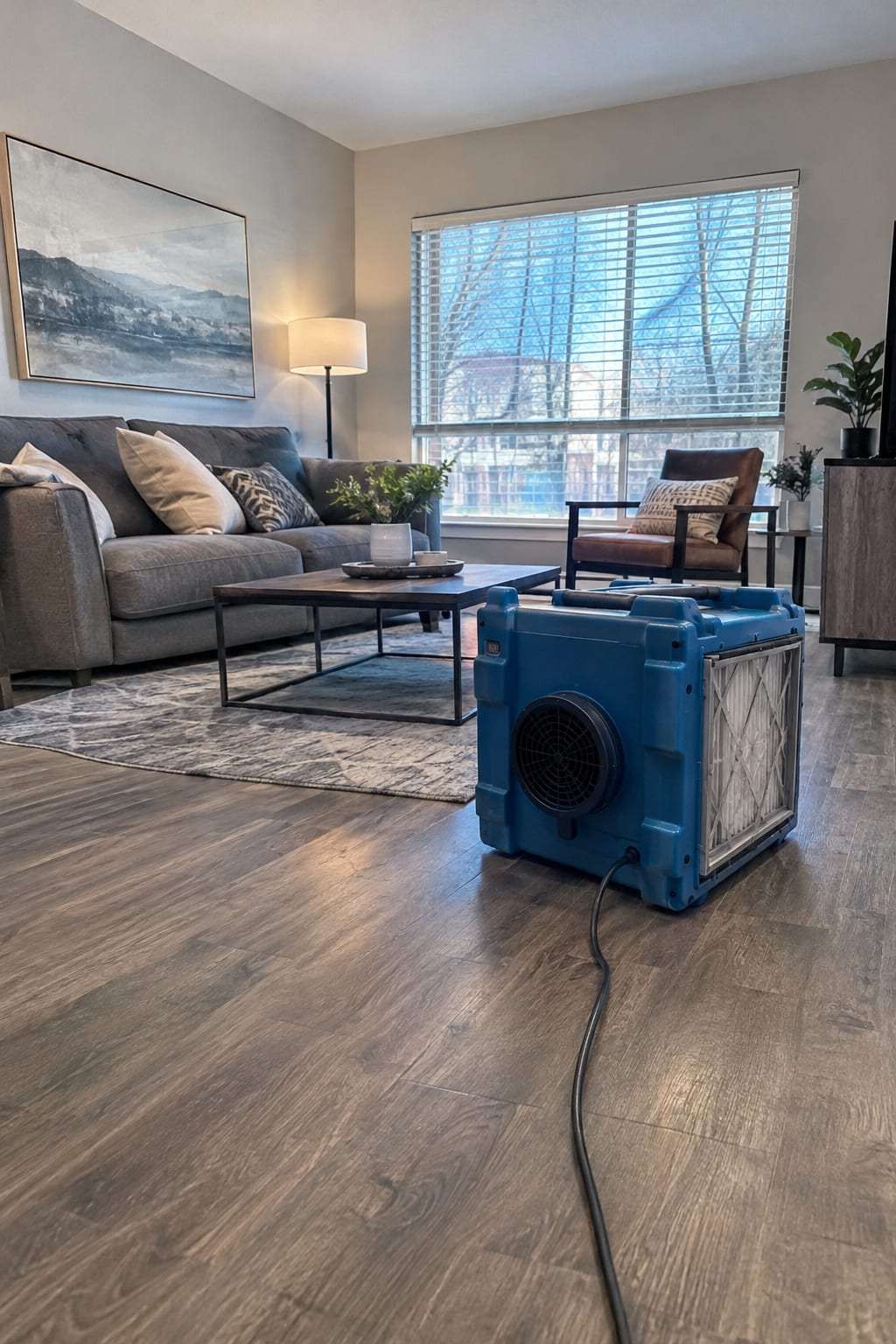
| Step | Stage | What happens |
|---|---|---|
| 1 | Assessment | Find each odor source and every material it has reached. |
| 2 | Scope and quote | Get in writing what will be treated, what may need pulling and how long it takes, before work starts. |
| 3 | Source work | Pull contaminated materials as agreed, clean and seal surfaces, and treat organic residue. |
| 4 | Whole-unit treatment | If the job calls for it, a controlled chlorine dioxide treatment in the empty unit, then ventilation. |
| 5 | Hand back | The unit goes to the painters and cleaners on the agreed date, on track for its first showing. |
Before anyone treats the unit
Do this
- Photograph every room on move-out day, dated, for the deposit file.
- Book the odor assessment ahead of the painters and carpet cleaners.
- Hold new flooring until someone has checked the subfloor.
- Give the provider your next move-in date so treatment and airing-out land before it.
Avoid this
- Treating before repairs and cleaning are done. Treatment needs to reach residue, not dirt or an active leak.
- Painting before the odor is treated. Smoke residue bleeds through fresh paint.
- Re-listing the unit before you've walked it with the HVAC running.
Renting out a place in Aurora
Aurora is one of Colorado's largest cities. Its rentals run from postwar brick ranches near Colfax to townhome rows and build-to-rent subdivisions in the east and south. A vacant week on a single-family rental or a fourplex unit is a week of lost rent, so turnover speed shows up in your numbers.
The City of Aurora licenses and inspects many rental properties, and Colorado law covers habitability and security deposits. Treatment records help your file. Take legal questions to your attorney or property management advisor.
ZIP codes served: 80010 (Aurora), 80045 (Aurora), 80247 (Denver), 80012 (Aurora), 80011 (Aurora), 80014 (Aurora), 80017 (Aurora), 80013 (Aurora), 80015 (Aurora), 80018 (Aurora), 80019 (Aurora), 80016 (Aurora), 80137 (Watkins).
Also nearby: 80230, 80220, 80238, 80207, 80266, 80246, 80239, 80224, 80206, 80231, 80205, 80218, 80209, 80222, 80216, 80203, 80210, 80202.
Guides, checklists and areas
Written for owners and managers of small Aurora rentals, from single-family houses to fourplexes.
Guides18
- Where odor hides in a single-family rental after the tenant leaves
- Documenting odor at move-out for security deposit records
- Sorting lived-in smell from odor damage in a rental
Keep the turnover file
A deposit deduction, an insurance claim or a tenant complaint six months from now all go easier with records made at turnover. Rebuilding them later rarely works.
What goes in the file
- Dated move-out photos of stains, filters and affected areas
- The odor assessment notes
- The itemized treatment invoice
- Photos after treatment, taken before you re-list
Can a rental be treated before the next tenant moves in?
Yes, and turnover is the best window: the unit is empty and easy to access. Give the provider your move-in date so treatment and airing-out finish before it.
How long does a turnover treatment take?
It depends on unit size and scope. Many treatments run a day or two, plus ventilation time. Get the timing in writing with the quote.
Can odor treatment costs come out of a security deposit?
Colorado law allows deductions for damage beyond normal wear and tear, subject to your lease and the statute's requirements. Check with your attorney or property manager.
Can several units be treated together?
Often, yes. Give the unit count and each turnover date when you ask for a quote.
Is chlorine dioxide safe?
Chlorine dioxide is used under controlled conditions in an empty unit, followed by ventilation before anyone goes back in. Ask the provider to walk you through prep, dwell time, ventilation and re-entry before you book.
Will paint alone cover smoke odor?
Usually not. Smoke residue bleeds through paint. Clean and treat the surfaces first, seal them with an odor-blocking primer where needed, then paint.
Can I charge the cost to the former tenant's deposit?
That depends on your lease and on Colorado's security deposit law, which limits deductions to damage beyond normal wear and requires an itemized statement. Take it to your attorney, and ask whoever does the work for an itemized invoice that says what was done.
Turning over an Aurora rental this month?
Photograph the unit at move-out, fix any active source and lock in the move-in date. Then pick a provider you have vetted and get a written scope and quote built around the next lease.
What a first conversation should cover
Expect a careful provider to ask about the unit type, the smell, the move-out and move-in dates, and access. Ask for an assessment and a written quote, scheduled around your turnover.
This website is a draft preview. No phone line or request form is connected yet.
Ask about a rental odor
This form is not connected. This website is a draft preview: no business has been confirmed to receive requests, so the fields below are switched off and nothing can be sent. In an emergency, call 911.